Quick Answer
All nutritional data below is sourced from Chipotle Mexican Grill's official nutrition disclosures, as required by FDA menu labeling regulations under Section 4205 of the Affordable Care Act.
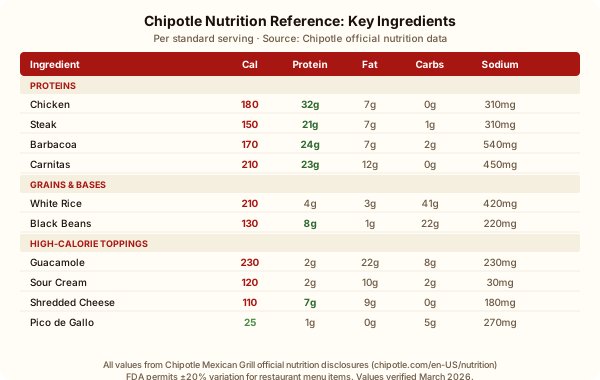
If you want to understand what you're actually eating at Chipotle, you need the ingredient-level data. This guide provides the complete calorie, protein, fat, carbohydrate, and sodium figures for every ingredient on Chipotle's menu, the same data used in our calculator, pulled directly from Chipotle's official nutrition disclosures.
Values may vary slightly by location due to natural variation in hand-assembled portions. The FDA permits plus-or-minus 20 percent variation for restaurant menu items. These figures reflect the standard published serving size for each ingredient.
Meal Bases
The meal base determines your starting calorie count before any fillings.
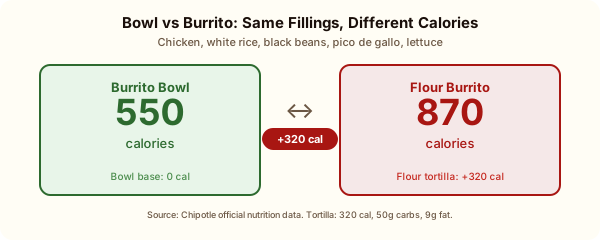
The bowl and kids build-your-own have zero base calories, so you're paying only for the fillings you choose. The flour burrito and flour taco shells are by far the highest-calorie base options.
Proteins
Proteins form the caloric core of most Chipotle orders.
Key Takeaways on Proteins
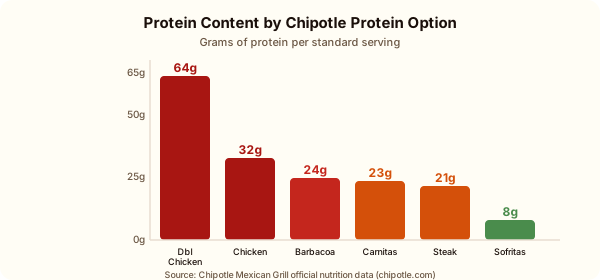
Chicken delivers the best protein-to-calorie ratio at 0.18g of protein per calorie. Steak is the lowest-calorie animal protein at 150 cal. Carnitas is the highest in fat (12g) due to the slow-braising process. Sofritas is the only protein with meaningful carbohydrates (11g) and the lowest in protein (8g). Barbacoa's 540mg sodium is notably high, the highest sodium protein option aside from double chicken.
Rice
Chipotle offers two rice varieties with nearly identical nutrition.
Both rice varieties are 210 calories. The practical differences: brown rice has slightly more fiber, slightly less sodium (350mg vs. 420mg), and 1 more gram of protein. For most people, the choice between white and brown rice at Chipotle is primarily a matter of preference, not nutrition.
Beans
Black beans and pinto beans are nearly nutritionally identical. Black beans have 10 more calories; pinto beans have 50mg more sodium. Both provide 8g of protein and 22g of carbohydrates. Both are high in fiber, which contributes to satiety and slows the absorption of those carbohydrates.
Salsas and Fresh Toppings
Salsas are the most calorie-efficient flavor additions on the menu.
The green tomatillo salsa at 15 calories is the lowest-calorie topping on the entire Chipotle menu. The red tomatillo salsa adds 500mg of sodium, worth noting if you're monitoring sodium intake. Corn salsa at 80 cal is the most calorie-dense salsa option.
Dairy and High-Fat Toppings
These toppings are where orders most often exceed calorie expectations.
Guacamole's 230 calories come almost entirely from fat: 22g of fat per serving. This is predominantly monounsaturated fat from avocado. Sour cream and queso blanco are both 120 calories but compositionally different: sour cream is 10g fat and 2g carbs; queso is 9g fat and 6g carbs. Cheese adds meaningful protein (7g) for its calorie cost.
Sides
The large chip bag at 580 calories is one of the most calorie-dense single menu items. At 1,030mg of sodium, it also represents nearly half of the American Heart Association's recommended daily sodium limit of 2,300mg. The side bag at 250 calories is a more reasonable addition if you want the chips experience without a major caloric hit.
Putting the Data to Work
The fastest way to use this data: before your next Chipotle order, add up your usual combination using the figures above or use our [Chipotle calorie calculator](/chipotle-calorie-calculator) for an automatic total. Most people find their actual order is 200 to 400 calories higher than they estimated. Knowing the specific numbers makes it easy to identify which single swap would have the biggest calorie impact, usually the tortilla, the guacamole, or the chips. For a practical guide to applying this data to weight management, read our guide on [eating Chipotle for weight loss](/blog/chipotle-for-weight-loss).